
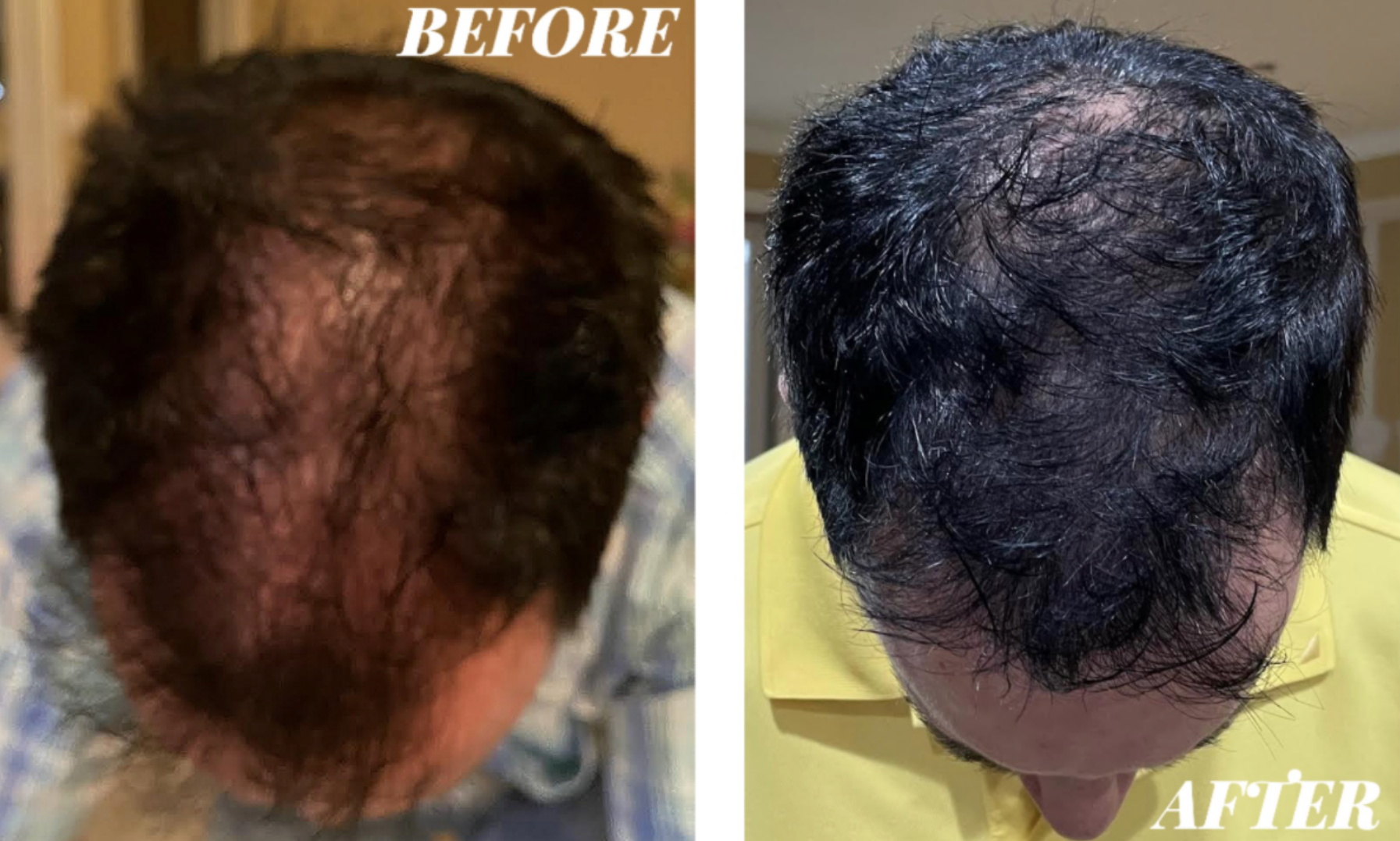
When my hair fall went from manageable to panic mode, I knew I needed to try something stronger than just oils, serums, and shampoos. Google bombarded me with options: minoxidil, micro-needling, PRP, hair transplant, finasteride, and something called Low-Level Laser Therapy (LLLT), a treatment dermatologists have been quietly recommending for years but only recently went mainstream.
Honestly, I wasn’t convinced at first.
A helmet that regrows hair? It sounded like a gimmick.
But after months of stress and fear watching my hairline thin and the crown widen, I was willing to try anything. So I committed to testing Low Level Laser Therapy consistently. I tested three most popular Low Level Laser Therapy devices myself. Different brands, different budgets, different wavelengths.
This is the complete guide to Low Level Laser Therapy, how it works, who it helps, what happened during my treatment, real research behind it, and how you can choose the right device without wasting months like I did.
What Is Low Level Laser Therapy?
Low-Level Laser Therapy uses low-intensity red or near-infrared light to stimulate weak hair follicles. The light boosts blood flow, reduces inflammation, stimulates ATP production, and helps follicles re-enter the growth phase.
It doesn’t burn. It doesn’t hurt. It doesn’t heat the scalp.
LLLT has been used in medicine for years for wound healing, nerve repair, post-stroke recovery, mucositis, and joint pain. Only in the last few years has it become mainstream for hair loss, androgenetic alopecia, thinning, and early-stage baldness.
What Happens During An Low Level Laser Therapy Treatment Session?
A typical session is simple.
Place the device on your head, start the session, relax for 25 minutes, let it auto shut-off, and use it 3 times per week. There is no pain, heat, tingling, or discomfort. It feels like wearing a lightweight helmet with a warm glow inside.
My Experience With LLLT
Before I started using LLLT, every morning felt stressful. I dreaded looking in the mirror. Photos made me hyper-aware of my thinning crown. Even my barber politely pointed out that my hair volume had changed. The loss of control affected me more than I expected. I needed something non-invasive, beginner-friendly, and easy to stick to, which is how I ended up with Low Level Laser Therapy device.
iRestore Elite : Slow and Steady, But Surprisingly Effective
The first time I used, I remember thinking, that’s it? It didn’t heat, didn’t tingle, didn’t even feel like anything was happening. I would put it on like a regular cap, swipe through my social media, and let it run.
Because I didn’t have to move anything or sit in a fixed position, I stayed more consistent. I nearly gave up on iRestore at one point. It felt bulky, treatments were long, and results were slow. But I stuck with it because I wanted to be fair in my testing.
By Month 3, I began to notice that the thinning area near my parting line looked less sparse. Around Month 4, the crown area had noticeable density. Not dramatic, but clearly fuller than before. By Month 5, the frontal section (which had always been weaker for me) was visibly thicker.
Last update on 2026-03-12 / Affiliate links / Images from Amazon Product Advertising API
Before Low Level Laser Therapy, I hated looking at the top of my head in photos. I avoided down-lighting, selfies, and often felt embarrassed sitting in front of bright mirrors. But once the shedding slowed and the density started improving, my confidence came back slowly but surely. Hair growth wasn’t just physical. It changed how I felt about myself. It made me feel in control again. And that’s something no shampoo ever gave me.
Buyer’s Guide: How To Choose The Right LLLT Device
Not all laser devices are created equal. While investing in one, always talk to a professional and keep these things in mind:
- FDA clearance is non-negotiable.
- True laser diodes are more effective than LED-only devices.
- More diodes mean better coverage.
- Look for wavelengths around 650–680 nm.
- Comfort and convenience matter because consistency is everything.
- Treatment time matters too, shorter sessions help people stay consistent.
Last update on 2026-03-12 / Affiliate links / Images from Amazon Product Advertising API
I picked iRestore is ideal for beginners because it is FDA-cleared, uses real medical-grade laser diodes, covers the entire scalp, is safe for both men and women, is clinically studied, beginner-friendly, comfortable, and designed for longer sessions. It’s simply the most practical option for everyday people dealing with real hair loss.
FAQs
Does Low Level Laser Therapy Actually Work?
Short answer: yes, if you use the right device consistently. Science also supports LLLT. A 2014 study found that LLLT appeared safe and effective for men and women. A 2013 study of 41 men reported a 39 percent increase in hair growth over 16 weeks.
Who Benefits Most From Low Level Laser Therapy?
LLLT works best for androgenetic alopecia, early thinning (less than 7 years), early male and female pattern hair loss, thinning around the crown, temples, and mid-scalp, and anyone losing more than 100 strands daily. Earlier is better.
Who Should Not Use LLLT?
LLLT is not recommended for cancer patients undergoing treatment, people extremely sensitive to light, those with severely damaged or compromised scalp skin, completely bald individuals, and advanced hair loss where follicles are inactive.
Is LLLT Safe?
LLLT is considered safe for adults aged 18–80 when using FDA-cleared devices. It does not burn or damage the scalp. Rare side effects include slight redness, tightness, and mild headaches.
Are There Any Side Effects?
Mild, uncommon side effects include slight scalp redness, temporary tightness, mild headache, and warmth on the scalp. These usually disappear quickly. No long-term adverse effects have been reported in clinical studies when used correctly.
How Long Until You See Results?
Most people notice reduced shedding in 4–6 weeks, thickening around months 3–4, baby hairs around months 5–6, and major transformation between months 6–12.
How Long Do Results Last?
Results last as long as you continue maintenance. Most people switch to 1–2 sessions per week after reaching peak improvement. If you stop completely, follicles may gradually return to baseline over a few months.
Over To You
If you’re thinking about adding Low Level Laser Therapy to your routine, treat it like a long-term investment. Pick a device with real laser diodes, FDA clearance, and a schedule you can commit to. Pair it with scalp care, peptides, and a nutrient-rich hair fall control diet, and you’ll see the payoff in a few months.
Healthy hair growth is never an overnight story, but with the right tools, it’s absolutely possible.
Disclaimer: This article is based on personal experience and publicly available research. It is not a substitute for medical advice, diagnosis, or professional treatment. Individual results vary. Always consult a dermatologist before beginning any hair-loss treatment, especially if you have underlying medical conditions.